
Subscribe
Take a Step Towards Climate Justice in Seattle.
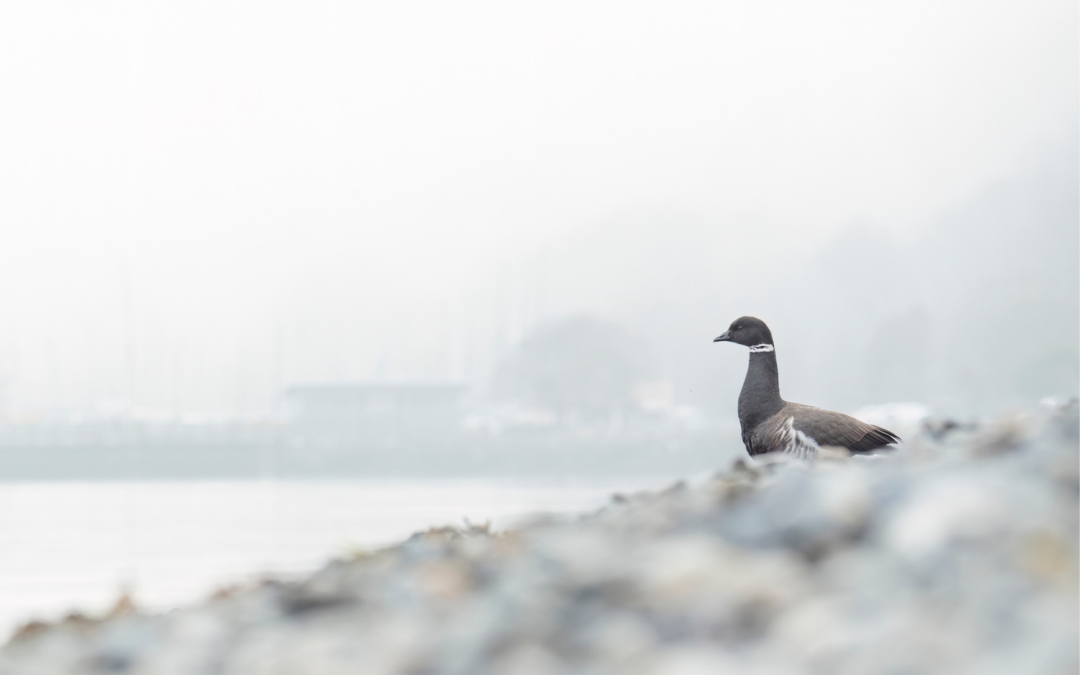

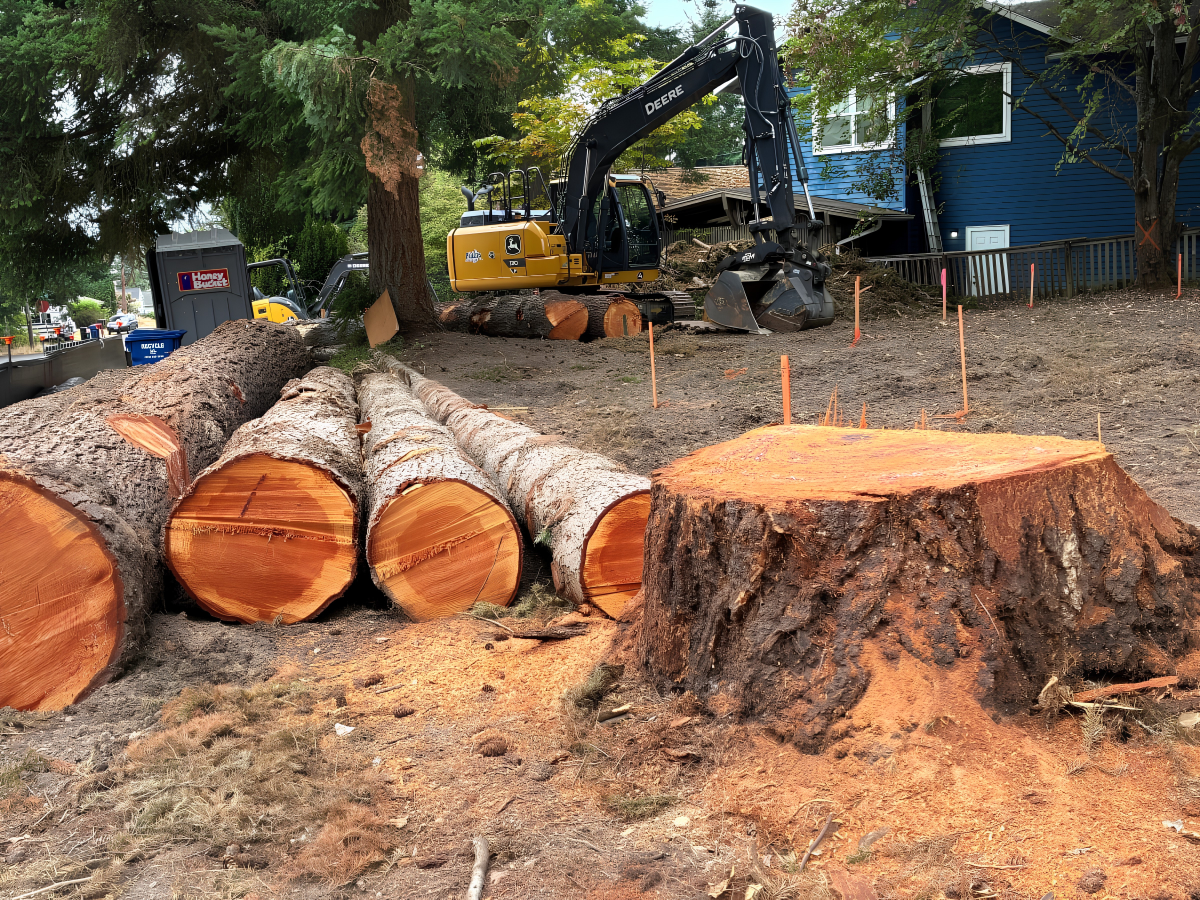
Tree Action Seattle note: Seattle Public Schools hired a private consultant to design athletic fields at Woodland Park. The consultant created three options without any input outside of schools, and each option would remove a significant number of trees.
Birds Connect Seattle (formerly Seattle Audubon) has sent a letter to the consultant asking them to redesign the fields. Recent studies show a sharp decline in the amount and diversity of bird species in Seattle’s parks. Now is not the time to be replacing mature, critical trees with turf.
More about our efforts to save Woodland Park here.
RE: Minimizing or avoiding tree removal at Woodland Park for athletic field development
Birds Connect Seattle (formerly Seattle Audubon) is a 110-year-old environmental conservation organization that advocates and organizes for cities where people and birds thrive. We write on behalf of our community of nearly 20,000 supporters across Seattle who are passionate about urban conservation to express concern with tree removal proposed in connection with new athletic field development at Woodland Park. We urge you to prioritize designs that minimize—or altogether avoid—tree removal s at the site.
In 2007, the City of Seattle set a goal to achieve 30% city-wide tree canopy cover by 2037 [1]. This goal was reaffirmed in the One Seattle Plan Comprehensive Plan Update adopted in 2025 [2], [3]. However, as of 2021—the most recent year for which high resolution tree canopy data are available—Seattle was moving further from its goal , with greater-than-expected tree canopy losses on public parkland contributing worryingly to the overall decline [4]. Parks are a critical land use type for achieving tree canopy and equity goals, making canopy losses within the park system especially consequential.
Mature trees cannot simply be replaced, even with the 3:1 replacement ratio required for removal of healthy trees on City property [5]. While replanting is important and necessary when removal does occur, substantial time lags—often spanning decades—exist before replacement trees can provide the ecological and social benefits of the mature trees they replace. As noted in a research note by Hand & Doick [6]: “The impact of removal of large trees on ecosystem services delivery is two-fold: the immediate loss in delivery of ecosystem services by the tree to be removed, and the time-lag caused by the planting, establishment and maturing of the replacement tree. Retention of existing large and mature trees can therefore be just as important as new tree planting in maintaining ecosystem services benefits.”
In addition, replacement is expensive , estimated at around $4,000 per replacement tree in 2022 [7]. Survival of replacement trees is also increasingly uncertain given the hotter and drier summers we are experiencing. These realities should make removal of healthy, established trees a measure of last resort.
Our concerns and sense urgency regarding tree retention are heightened by findings from our recently published report on long-term bird count trends at Seattle parks. Across eight monitoring sites between 2005 and 2023, we documented an 18% decline in species richness (a measure of biodiversity) and a 21% decline in bird abundance [8]. Trees are among the most important habitat features for terrestrial birds in Seattle. Woodland Park, as a large , mature urban green space, plays an important role in supporting urban bird populations. Removing trees there—even with plans for replacement planting—risks exacerbating the declines in bird diversity and abundance that we have already documented.
The One Seattle Comprehensive Plan, adopted to guide land use decisions across the city, includes multiple policies directly relevant to this situation. We respectfully request that any recreation field development at Woodland Park—or anywhere else in the park system—be consistent with the following policies:
Sincerely,
Joshua Morris
Conservation Director



.png)