


Subscribe
Take a Step Towards Climate Justice in Seattle.

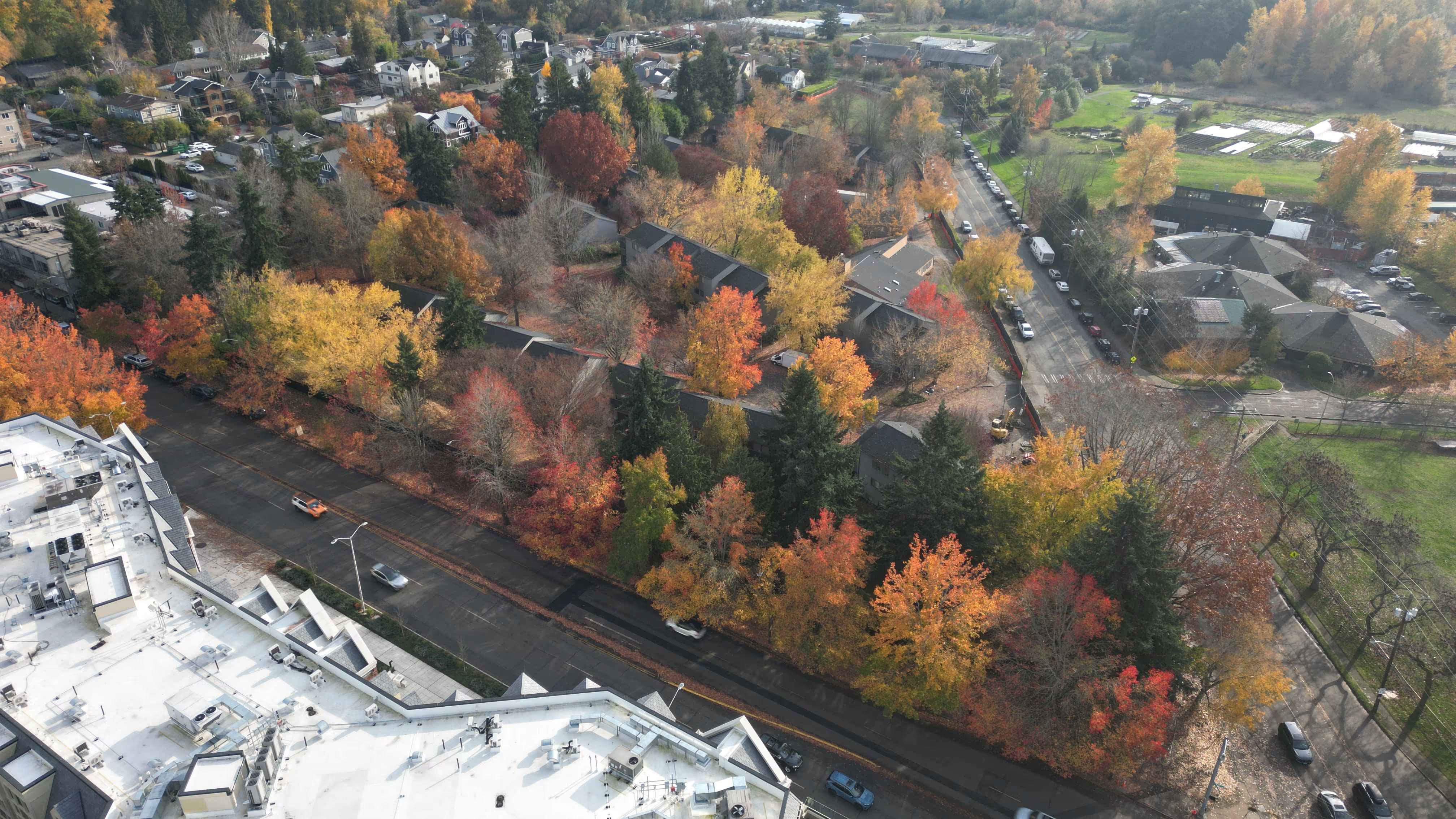
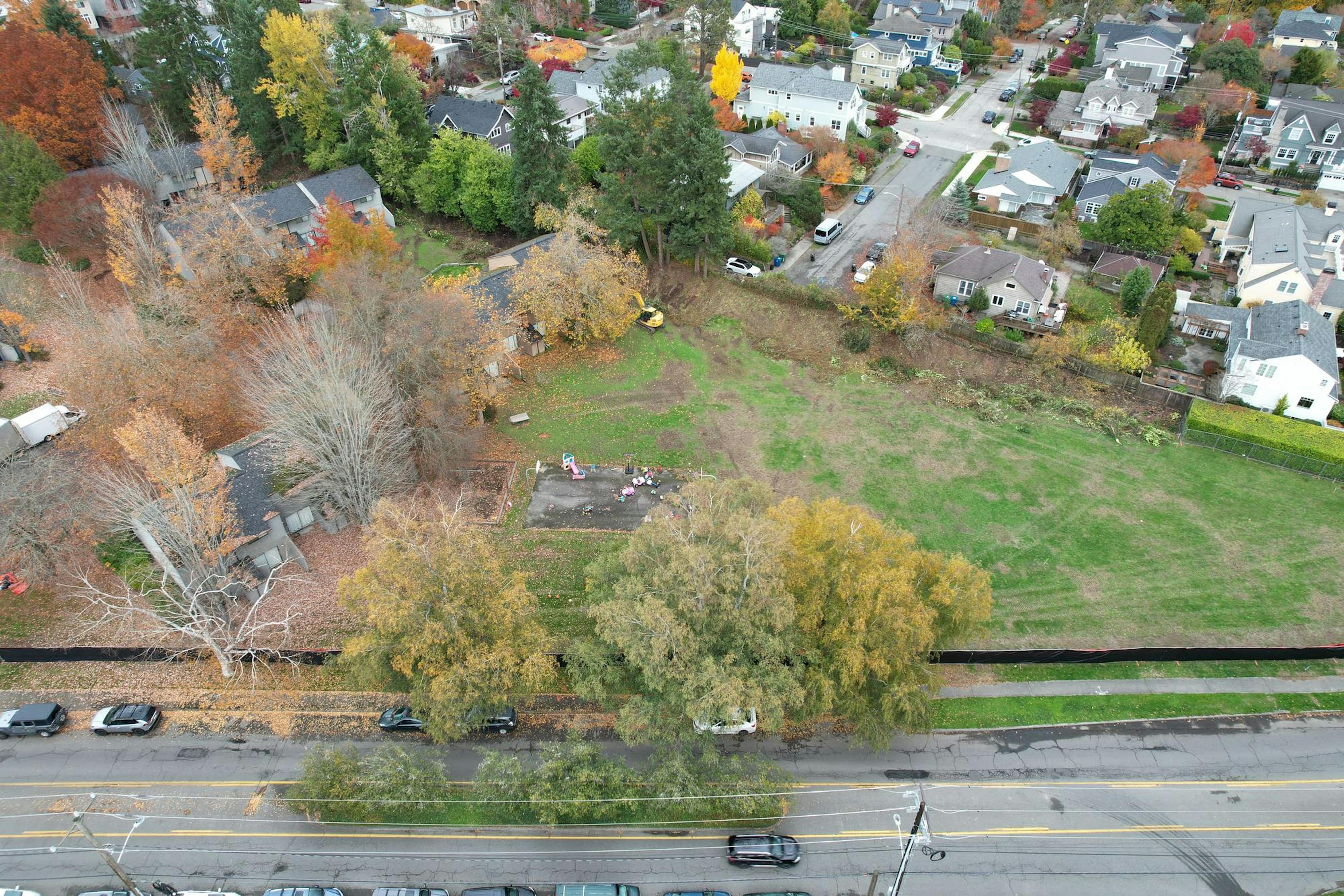
Following recent reporting on the planned tree removals at Laurel and Blakeley Village student housing complexes, representatives from Tree Action Seattle and affected community members met with UW leadership and Greystar to explore options for preserving mature trees at these sites. Because the project is already fully designed and permitted, Greystar and the University stated that opportunities for changes were limited. However, meeting produced several meaningful improvements:
These changes represent important progress and show the value of community engagement. At the same time, this situation highlights the need for the University to prioritize tree protection from the outset of project planning. As an example, slightly shifting the retaining wall might have saved numerous trees. We appreciate UW’s acknowledgment of this and their willingness to collaborate more proactively moving forward.
This isn’t the University's first brush with urban tree concerns. A report from Washington Department of Fish and Wildlife shows that between 2006 to 2017, of all Seattle neighborhoods the UW was near the top in tree loss, with over 9.5 acres of canopy removed.
The UW pledged climate neutrality by 2050 and houses the nation's largest environmental college — yet is rapidly removing carbon-sequestering trees that provide cooling, stormwater management, and air quality benefits. It’s clear that when environmental commitments interfere with development and revenue goals, they are abandoned.
If you've sent an email from Greystar, you may have gotten a response like this. If you did, here's a suggested response:
Reply To: info@greystarseattleoutreach.com
CC: president@uw.edu (UW President), regents@uw.edu (Board of Regents), rlubin@u.washington.edu (Rob Lubin - Director, Housing & Food Services Facilities Planning), ahoard@uw.edu (Aaron Hoard - Director, Regional & Community Relations), jblakesl@uw.edu (Julie Blakeslee - Environmental & Land Use Planner), ruegy@uw.edu (Shane Ruegamer - Sr. Project Manager), envdean@uw.edu (College of Environment Dean), asuwpres@uw.edu (ASUW student government), maritza.rivera@seattle.gov (Seattle City Council)
Subject: Greystar: Halt All Tree Removals
Dear Greystar,
Thank you for your response. Planting saplings does not replace the ecological services of mature trees, which provide 70x more carbon sequestration, stormwater management, and cooling. Urban saplings also have 30-50% mortality rates in the first 5 years.
We request:
Sincerely,
<Your Name>
If you can, please also reach out to the media to alert them about what's going on!
The University of Washington and nation’s largest hedge fund real estate firm Greystar are teaming up to remove hundreds of trees in student housing.
The UW has decided to redevelop Blakeley and Laurel student housing villages — instead of taking on the work themselves, they have leased the land out to South Carolina private equity real estate developer Greystar: a landlord behemoth that has been accused of illegal rent raises, and price-gouging.
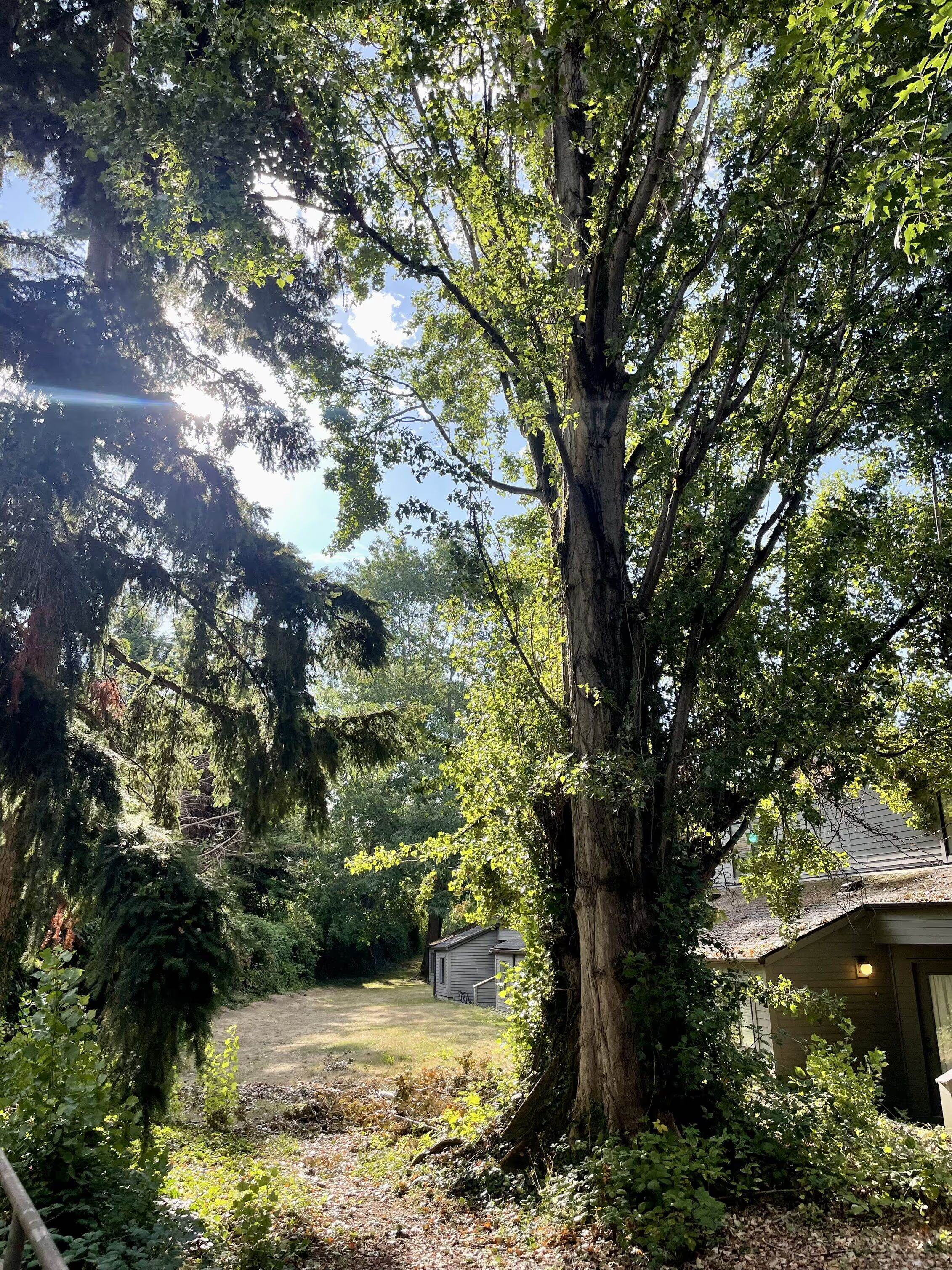
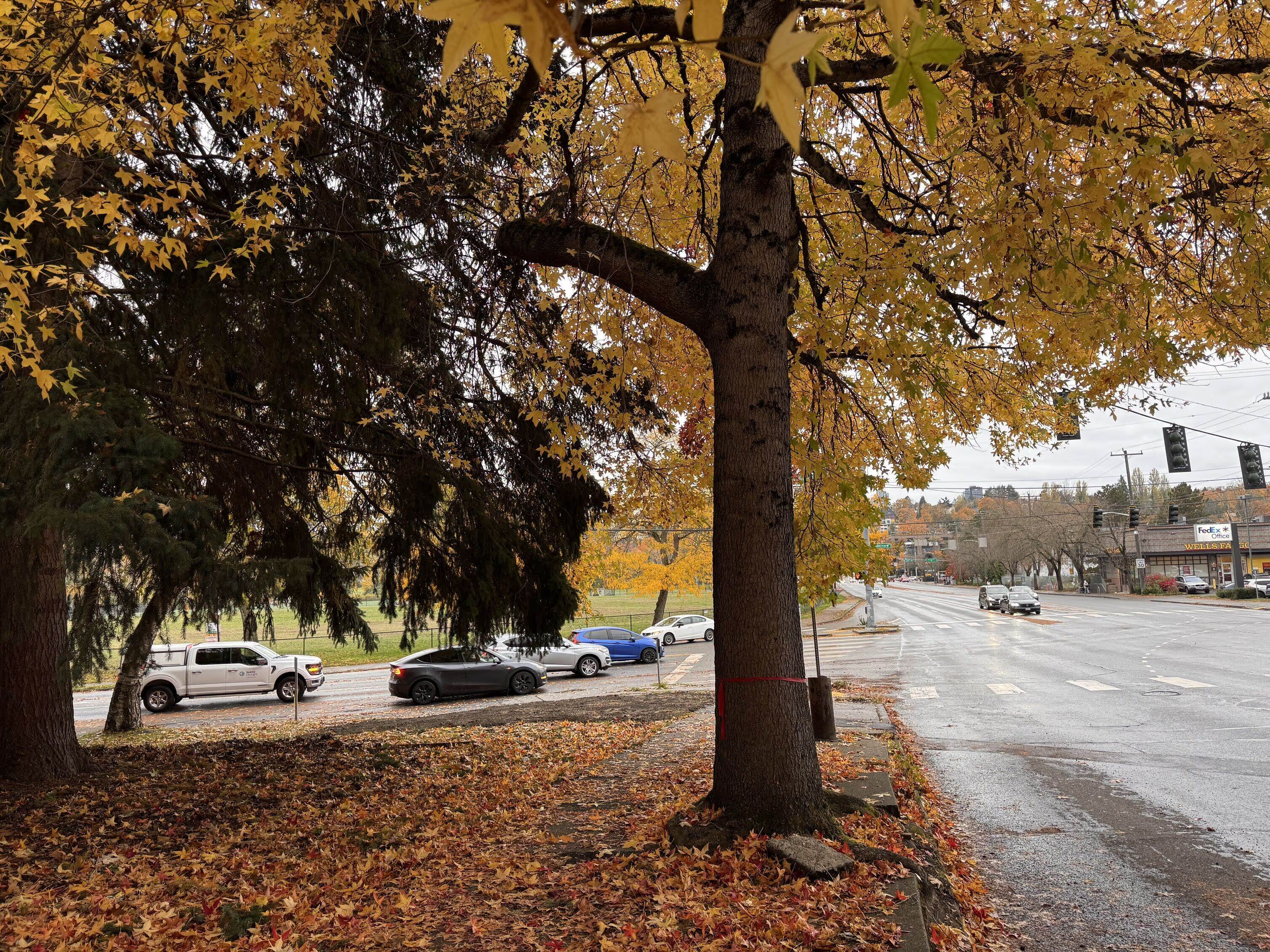
Blakeley and Laurel Village have hundreds of trees that add to the livability and climate resilience of the people who live there. Even though Greystar initially promised to keep most of these trees, they’ve now decided to raze them — tree removals are happening next week, and will be done by November 17, 2025.
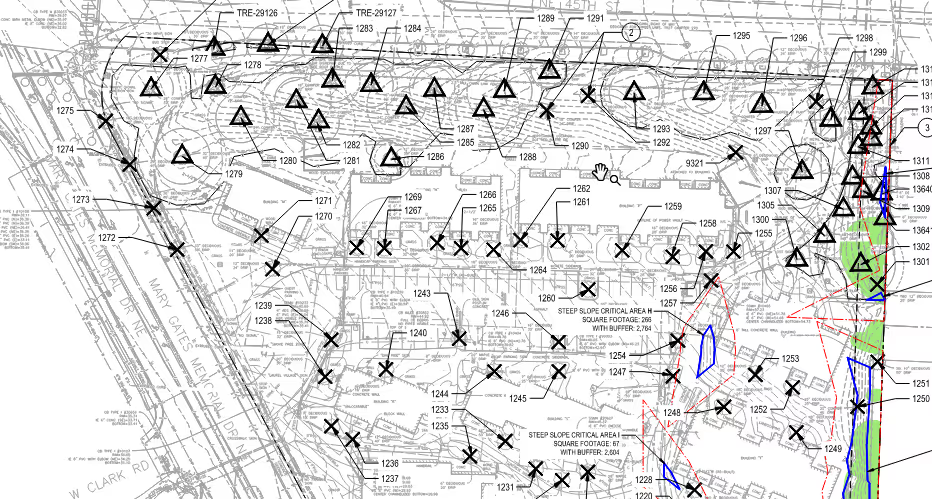
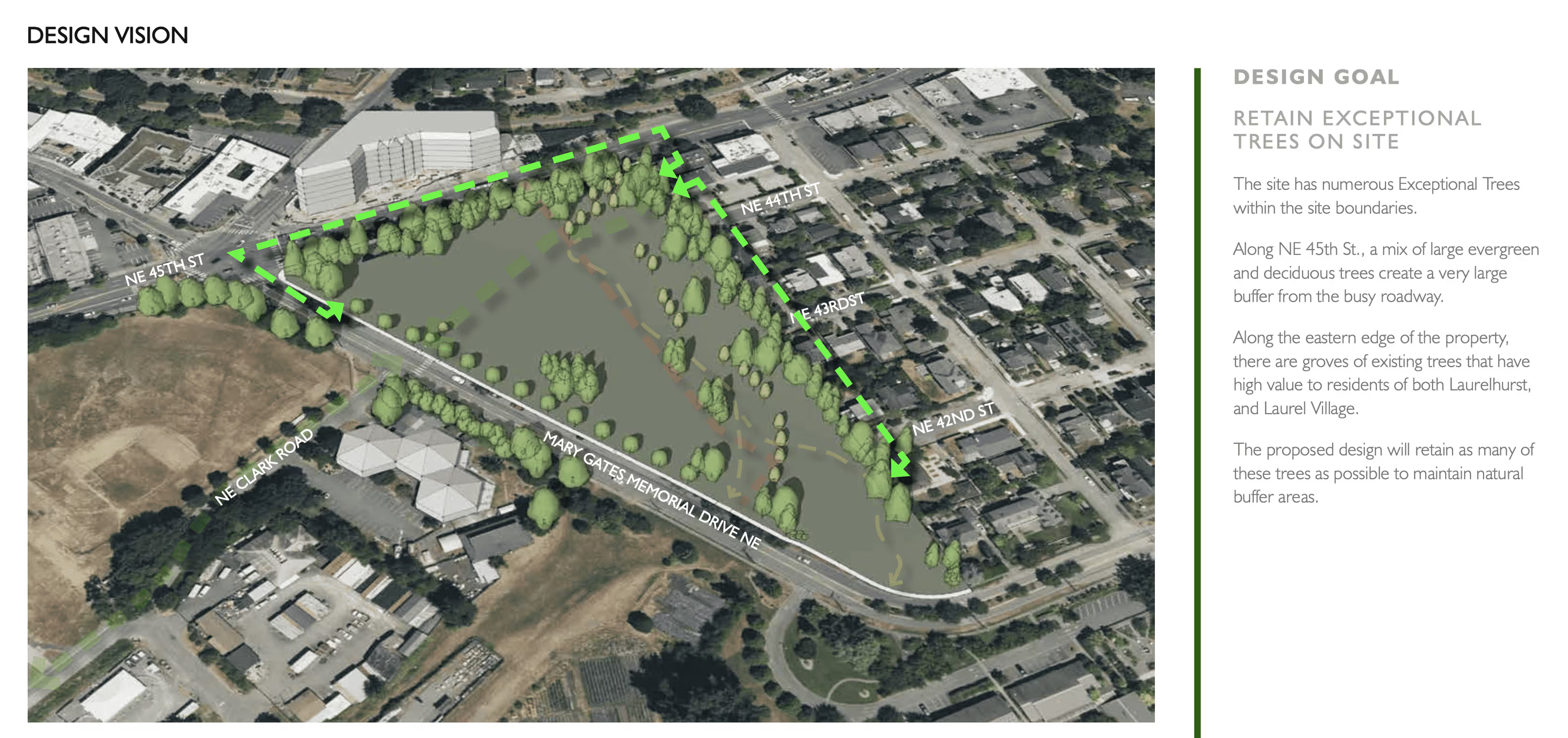
These complexes are exactly where we should be keeping trees: student renters by definition have less agency and time over the places they live, and are less likely to be able to afford AC and are more likely to be walking instead of driving.
Trees make these places more walkable, cooler in the summer, improve air quality and less prone to flooding. And Greystar already said they can build the same housing and keep the majority of these trees.
To: president@uw.edu, parker8@uw.edu, jej@uw.edu, kimdinh@uw.edu, nicolb@uw.edu, rachelno@uw.edu, envdean@uw.edu, jpaxson4@uw.edu, rworden@uw.edu, saloneh@uw.edu, jlh22@uw.edu, balta@uw.edu, jodi@permitcnw.com, chad.winters@greystar.com, info@greystarseattleoutreach.com
Subject: Save Blakely & Laurel Village Trees
Dear Greystar Development and UW leaders,
Please pause plans to remove mature trees at Blakeley and Laurel Village. These trees make student housing cooler in summer, improve air quality, reduce flooding, and make the area more walkable and livable for residents who often can’t afford air conditioning or cars.
Greystar stated, “We aim to retain and integrate exceptional groves of trees into the project design.” That promise can and should still be honored — the same housing can be built while keeping most of these trees.
We urge you to revise project plans to preserve these vital trees and clearly communicate how tree retention will be prioritized.
Sincerely,
[Your Name]
UW Student / Alumni (if applicable)


.png)